


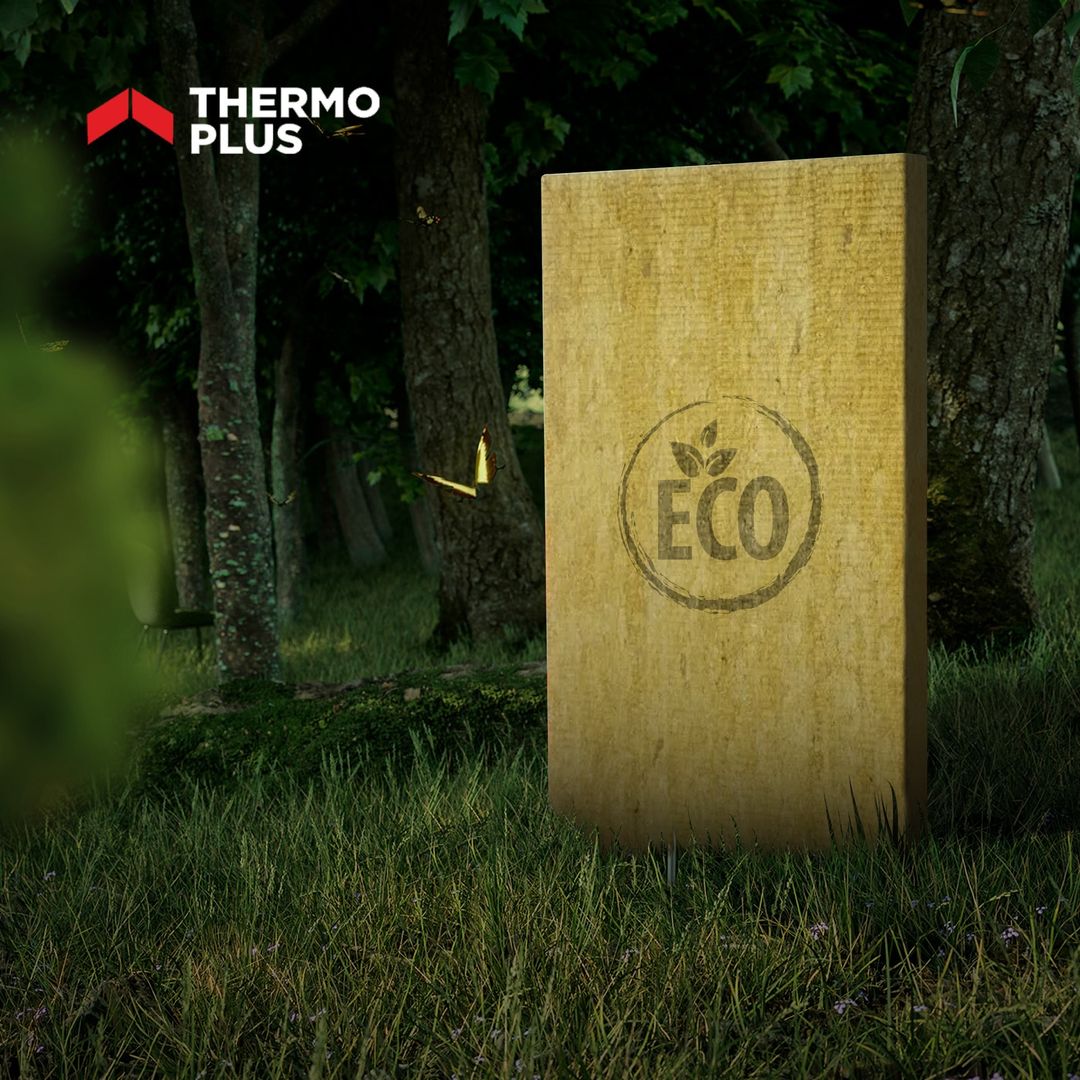
About Basalt Wool and Its Advantages
What is basalt wool made of?
The answer is simple — basalt. Basalt is a volcanic rock, essentially stone that once flowed from a volcano. It is one of the most abundant rocks on Earth, forming almost the entire floor of the world’s oceans. Some islands, such as Hawaii and the Galápagos, are made almost entirely of basalt.
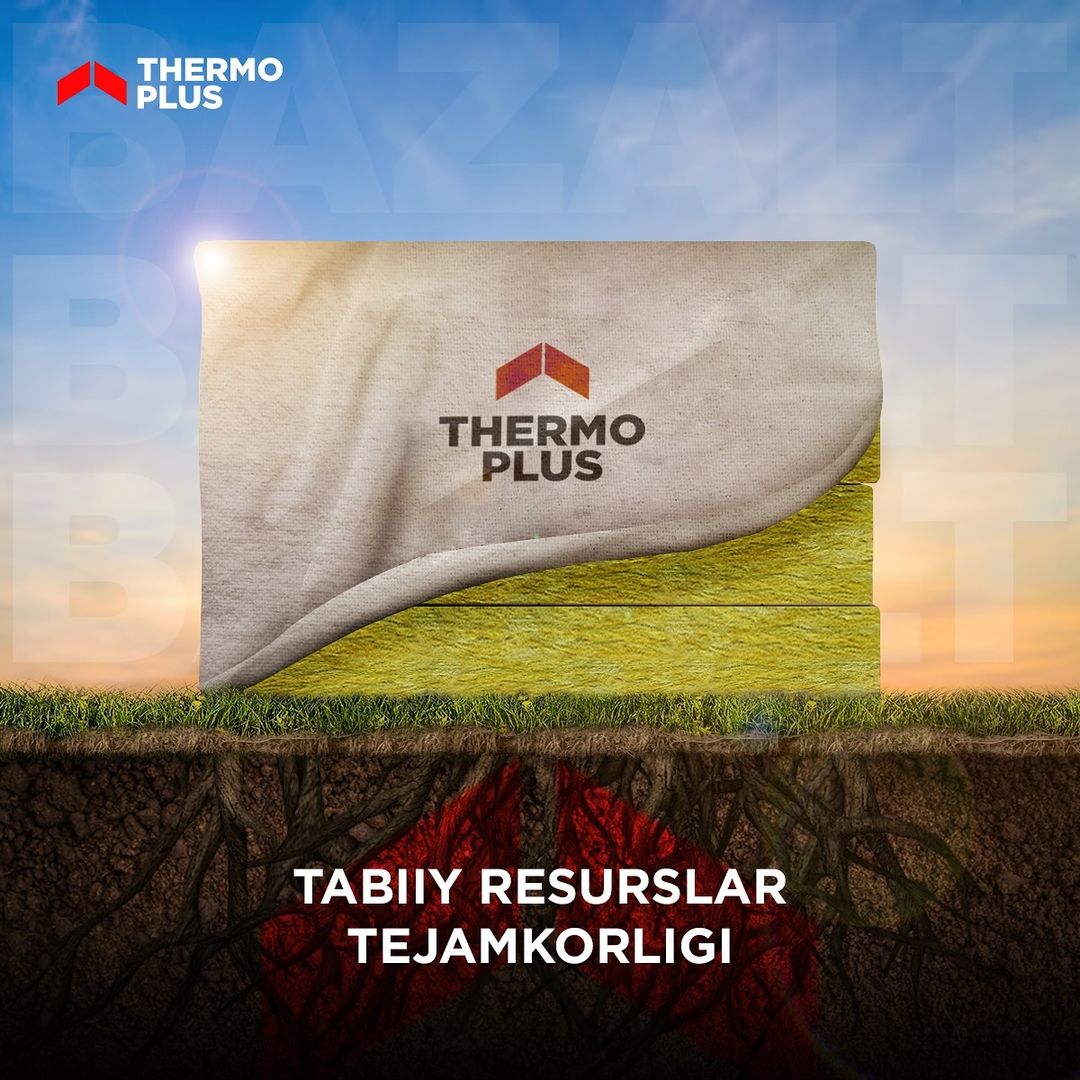
Basalt originates deep within the Earth — from volcanoes, basaltic lava flows, and oceanic ridges. Occasionally, molten basalt is ejected into the air, and the wind stretches tiny droplets into fine filaments. This natural process resembles the way modern basalt wool fibers are produced.
Such «hair-like» basalt threads were once found in Hawaii and called «hair» of basalt threads were often found in Hawaii - they were called «with Pele's hair» in honor of a local goddess. And in Iceland, they're called witch's hair.
Thus, nature itself inspired humans to use basalt as an insulating material.
Advantages of Natural Basalt Insulation
Basalt fibers are resistant to chemically active substances such as alkalis, acids, and salt solutions. This chemical stability ensures long-term durability of the insulation layer, even in marine or industrial environments.
Being a natural material, basalt wool is also non-conductive and environmentally safe.
Key Advantages of Basalt Insulation:
— Lightweight boards;
— Minimal binder content;
— Easy installation;
— No shrinkage or deformation;
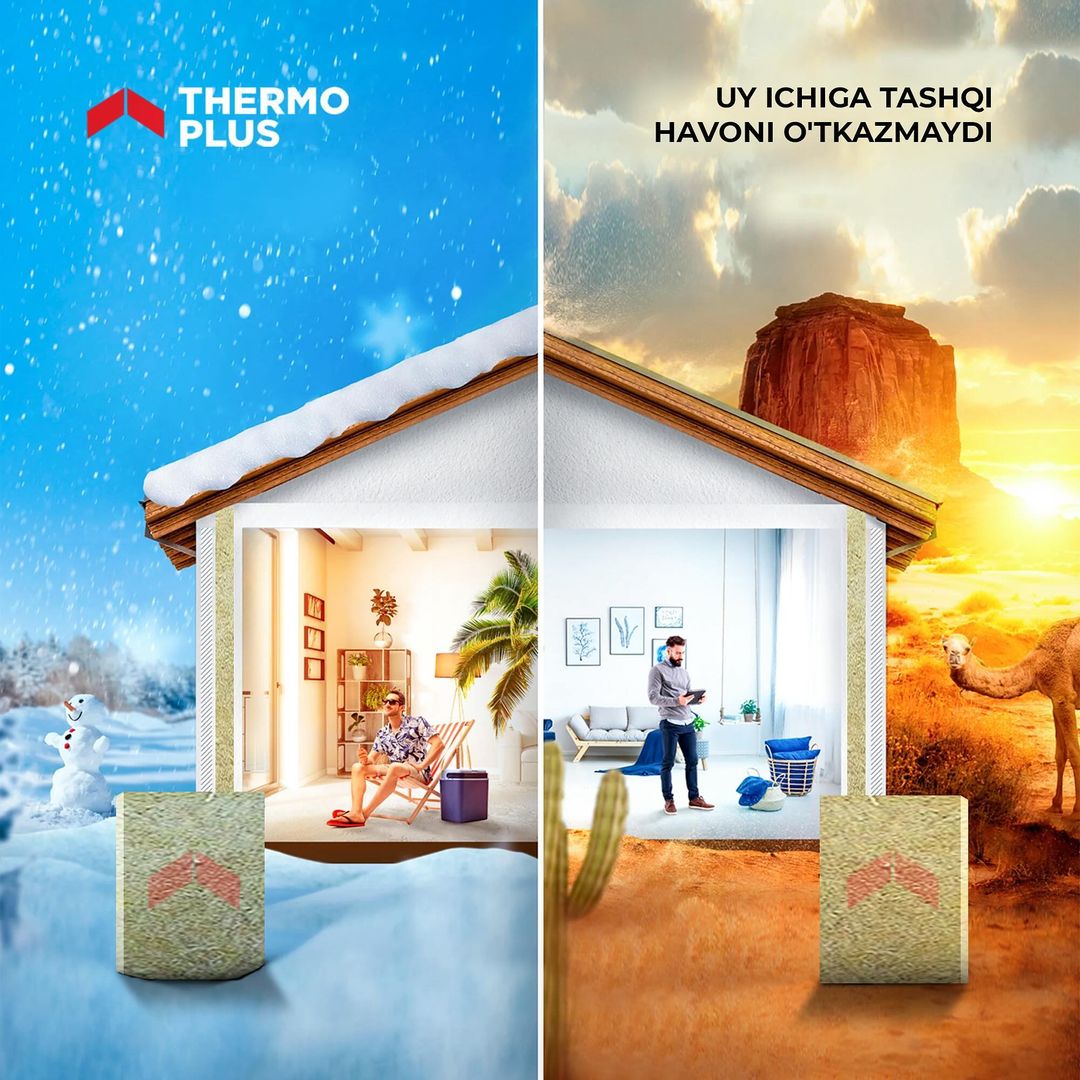
— Excellent thermal insulation;
— High vapor permeability;
— Outstanding sound insulation;
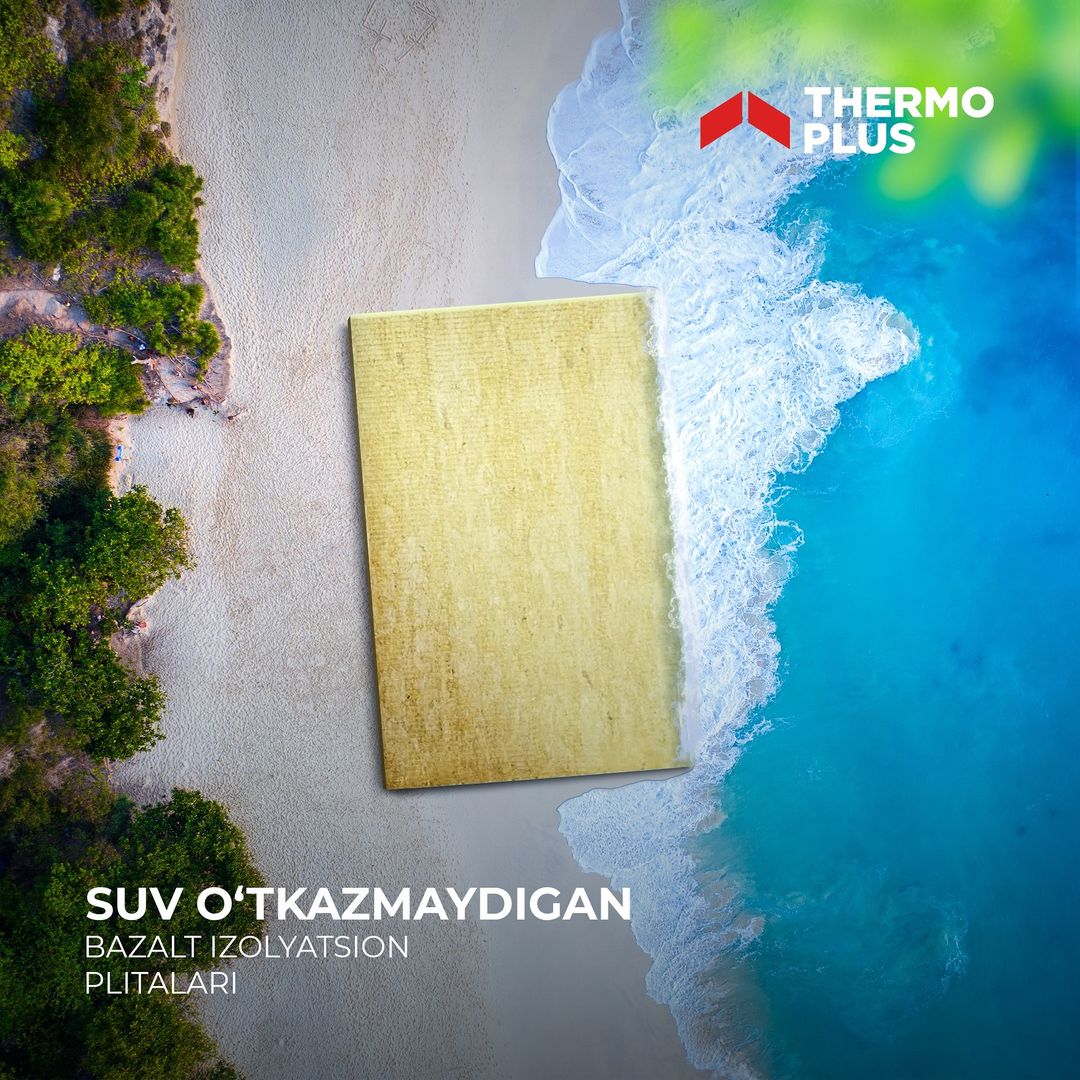
— Low moisture absorption;
— Long service life;
— Fire resistance and safety.
During operation, basalt wool retains its original thermal and acoustic properties. Compared to glass wool, basalt fibers absorb much less moisture, minimizing the risk of damp insulation. Its natural resistance to environmental influences ensures stable performance even under harsh climatic conditions.


